iChico
Unified restaurant commerce
- Year
- 2025
- Scope
- Three surfaces on one backend
- Stack
- Next.js 15 · Vite + Tauri · Express 5 · Prisma · Redis · Socket.IO
- Shown here
- 12 screens, on seeded demo data
- Next.js 15
- TanStack Query
- Recharts
- GSAP
Merchant Dashboard
Back-office and kitchen board
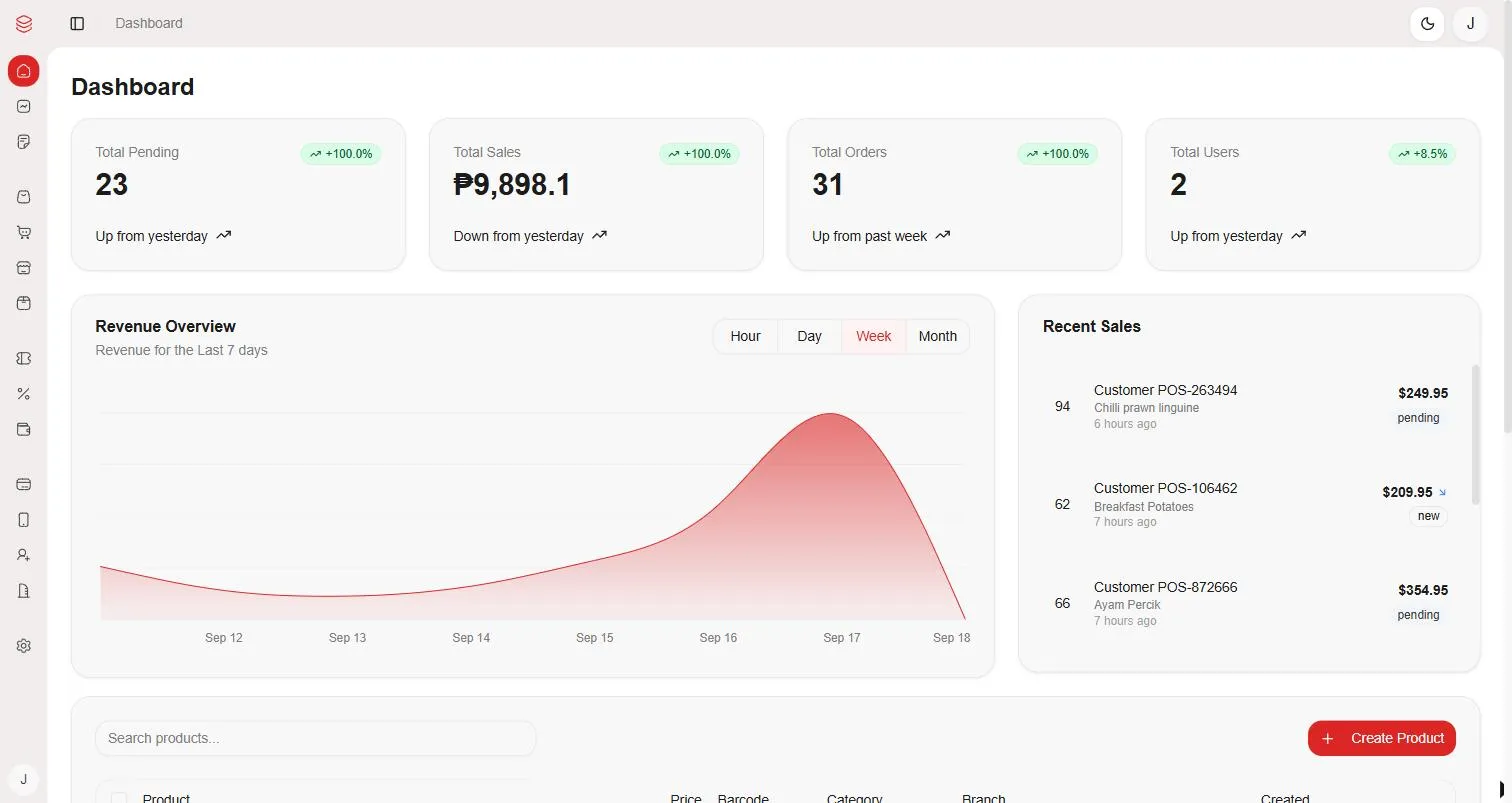
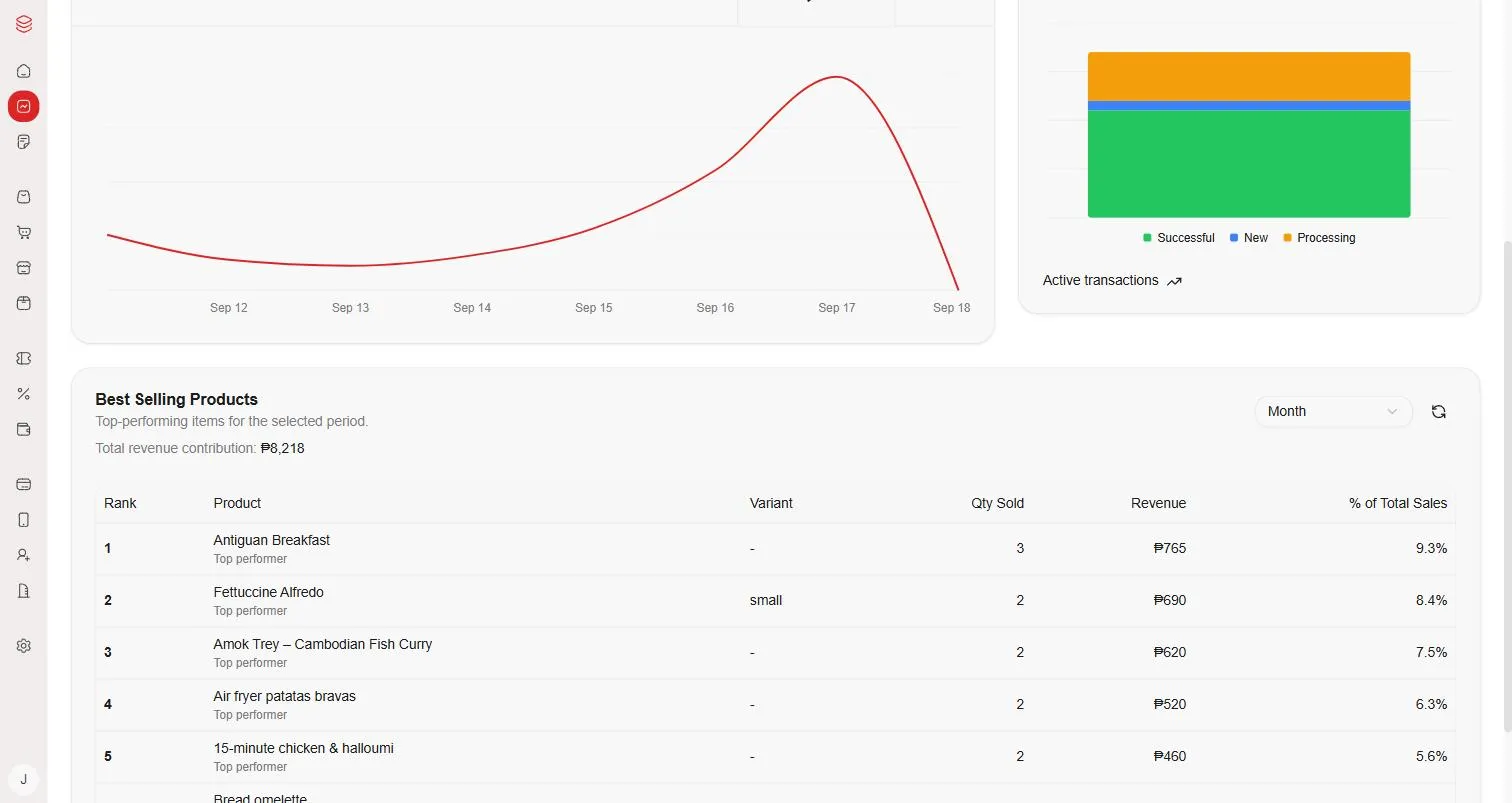
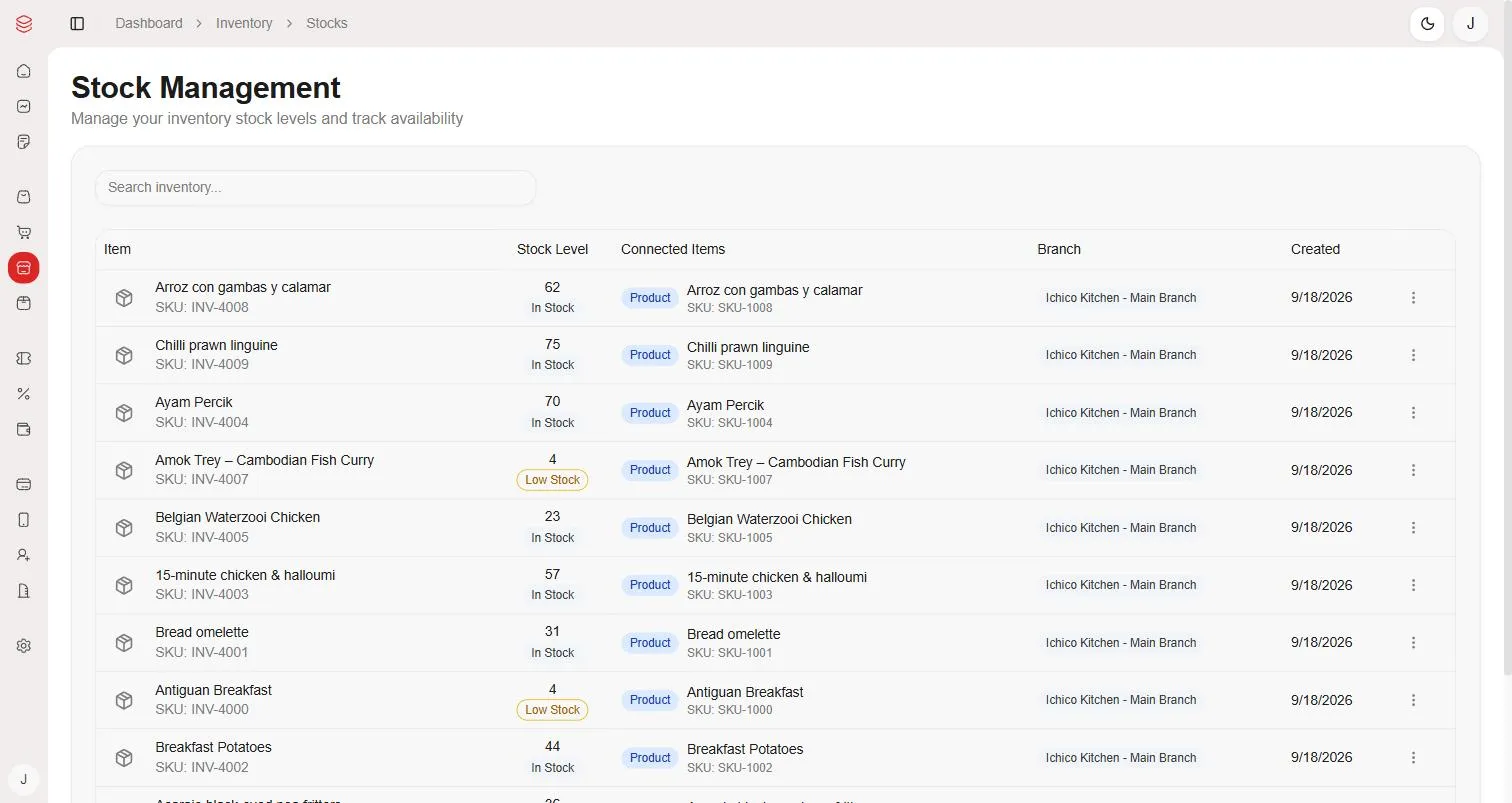
KPI tiles, a revenue curve and a live recent-sales feed sit over the catalogue, inventory and reporting screens.
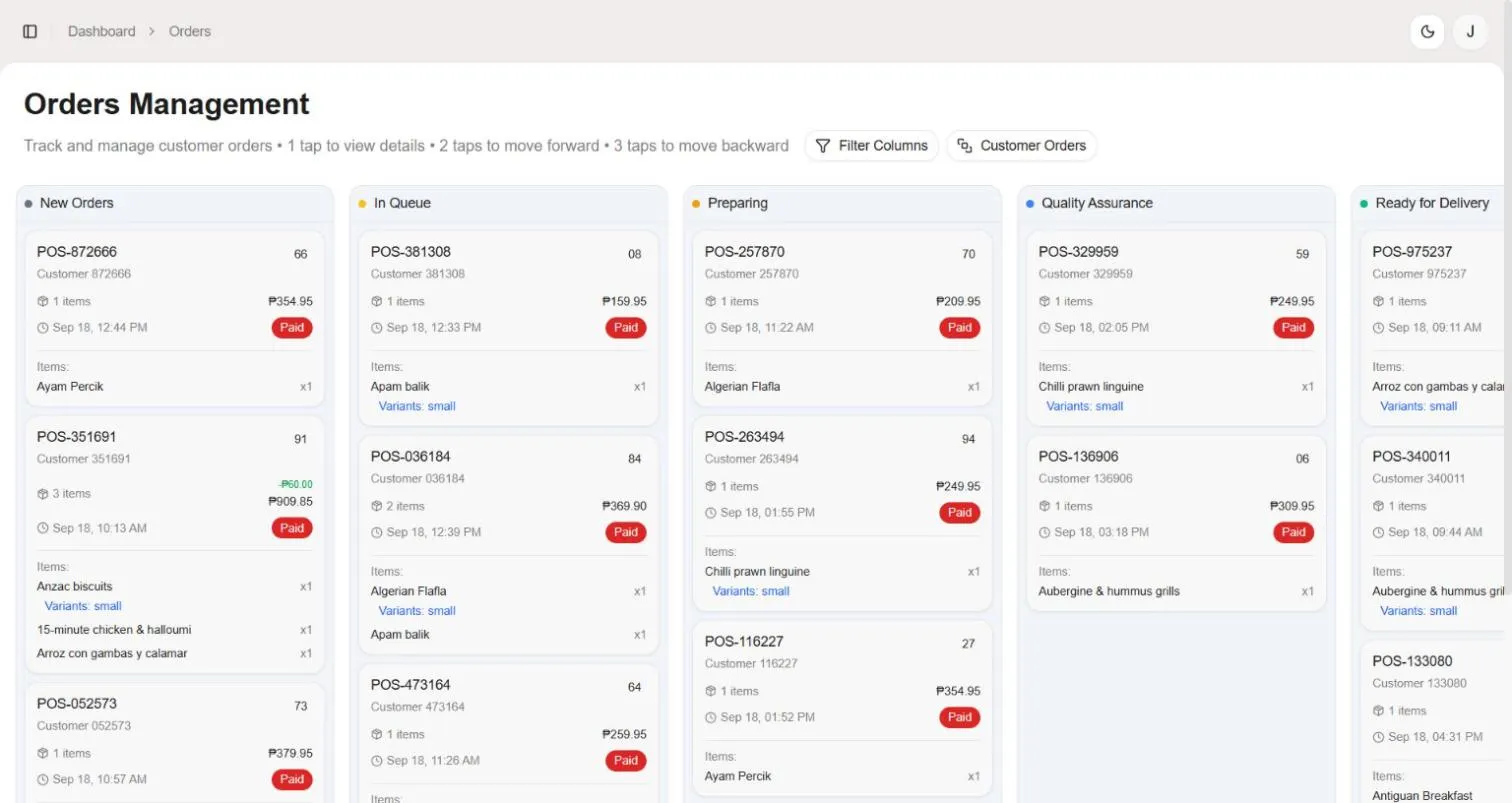
The kitchen kanban is the centrepiece: tickets move New → In Queue → Preparing → QA → Ready, and every connected terminal sees the change immediately. Product, order and kitchen state stream over Socket.IO rather than REST polling — clients join a per-branch room and receive live updates.
- Vite 7
- Tauri 2
- TanStack Router
- Konva
POS & Kiosk Terminal
Counter terminal with device auth
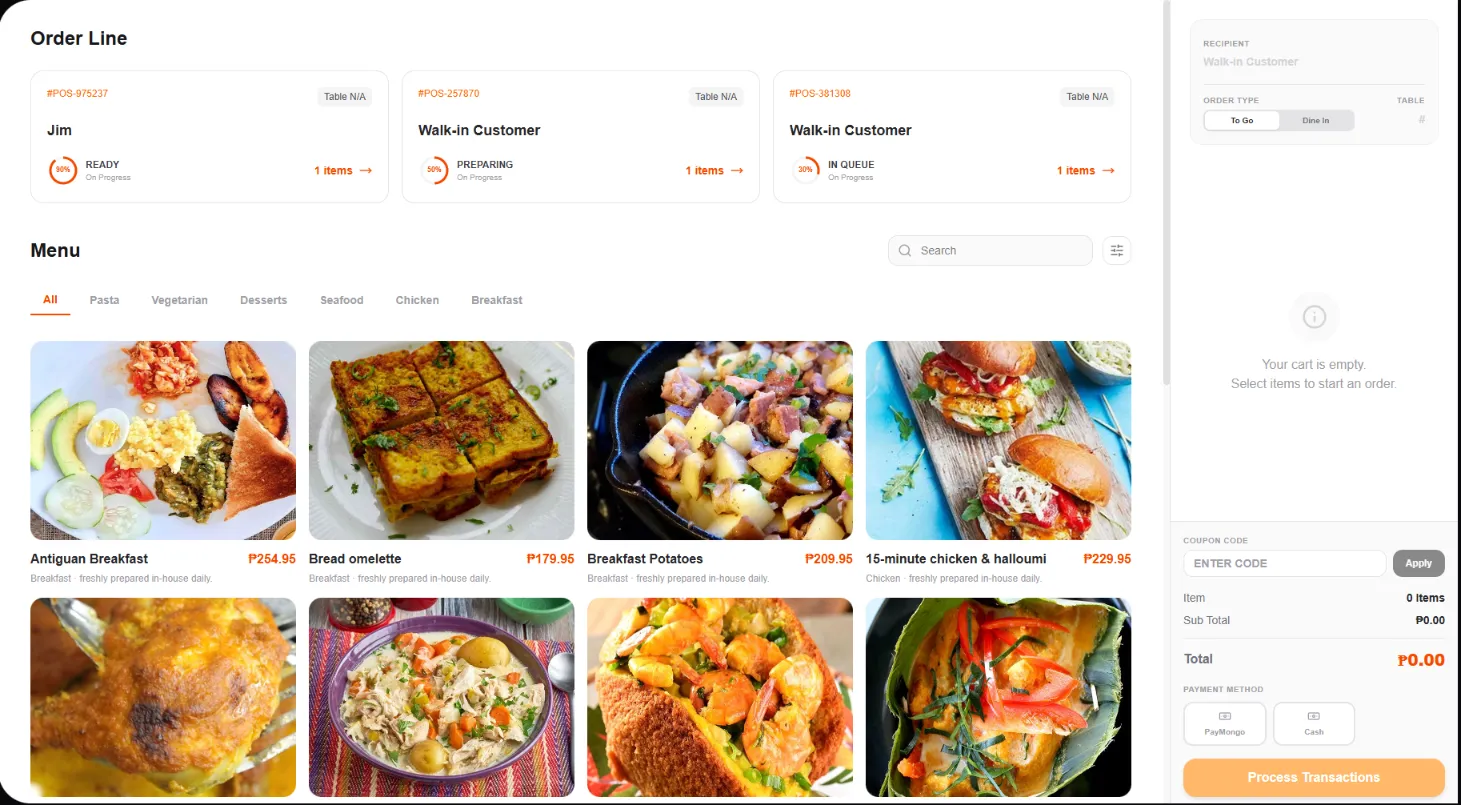
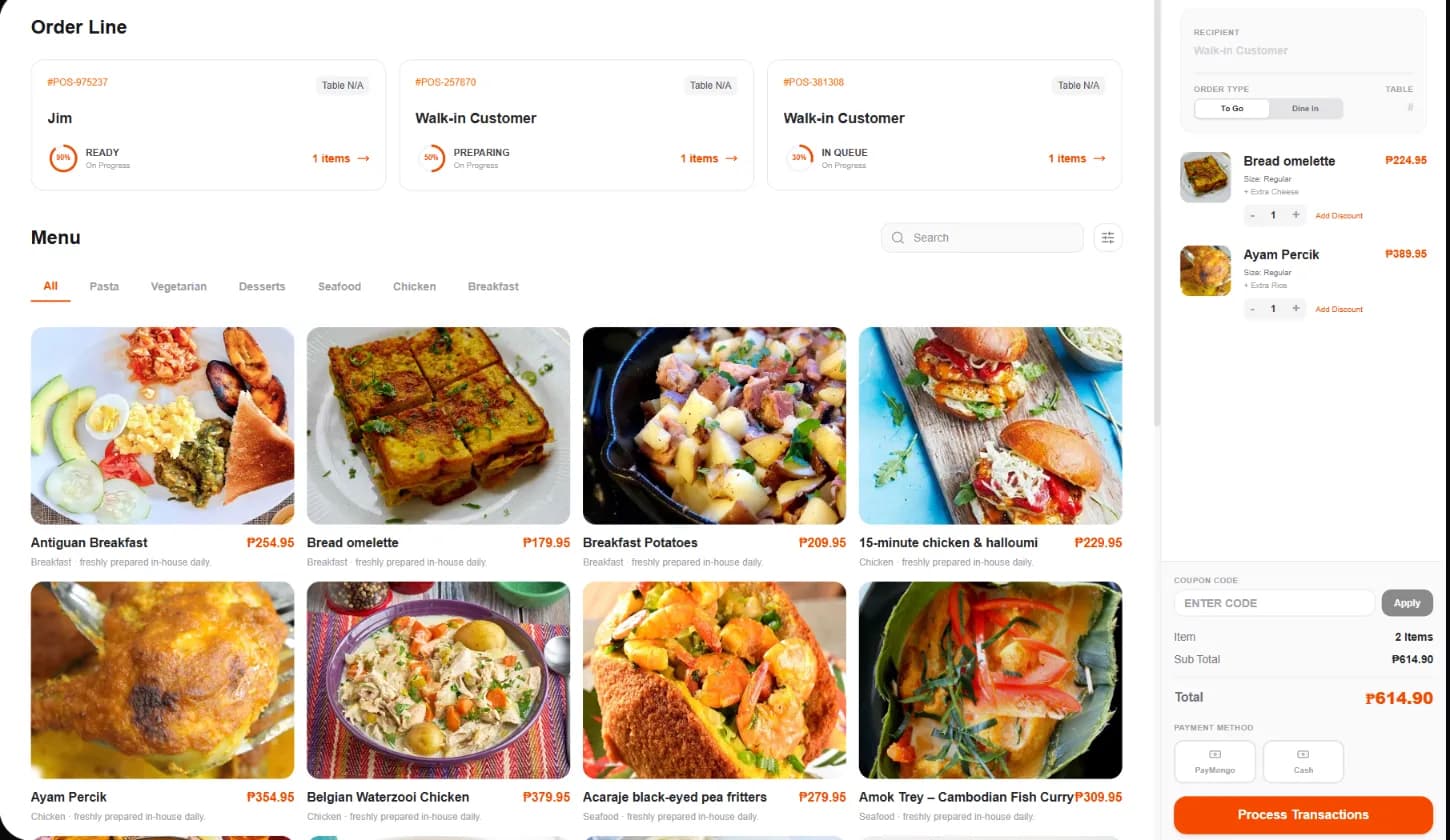
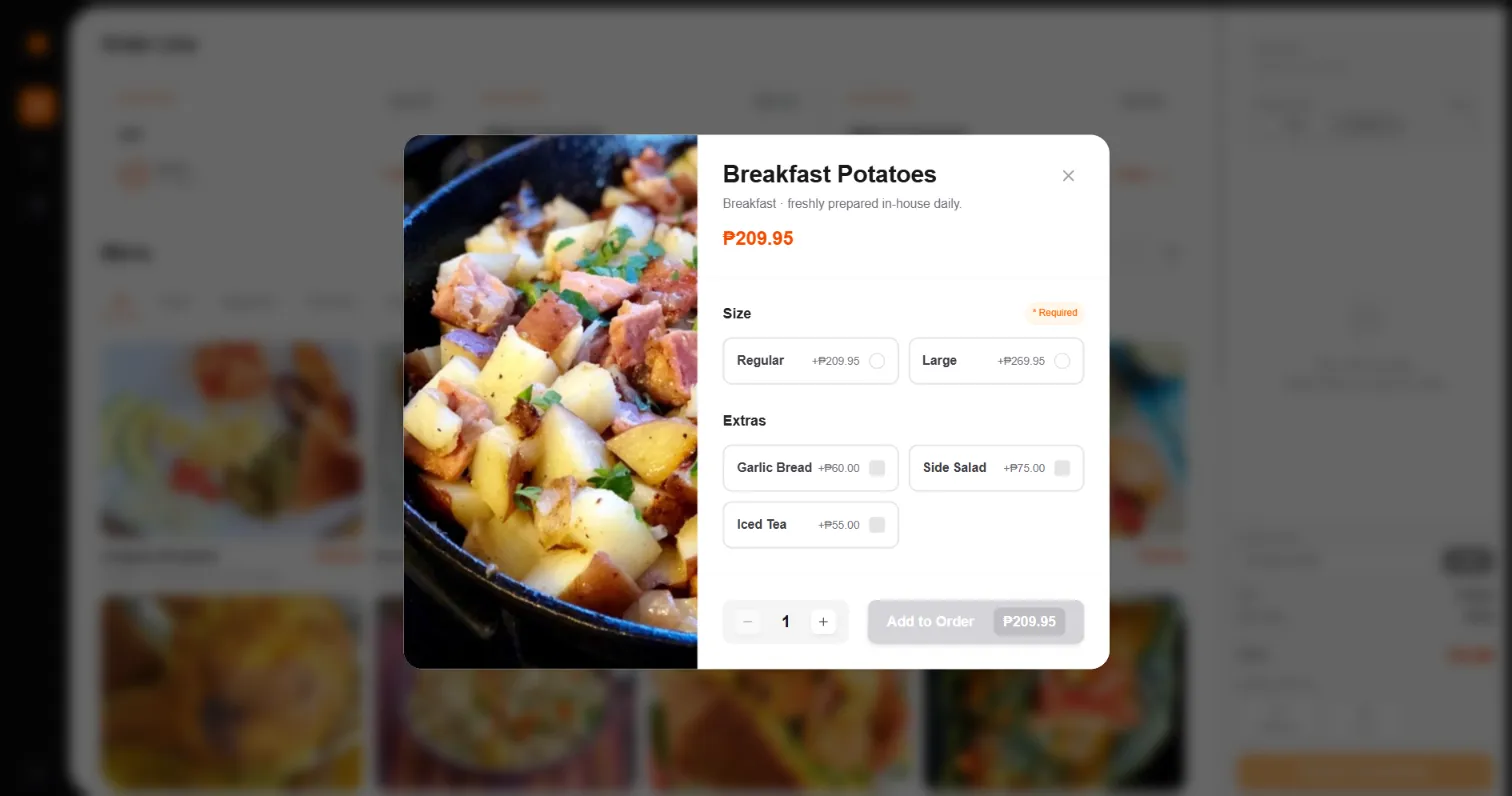
A Tauri desktop app the staff run at the counter: a live order line across terminals, menu, cart, coupons and payment, with an item configurator for required sizes and optional extras. A self-service kiosk mode shares the same shell and is still in progress.
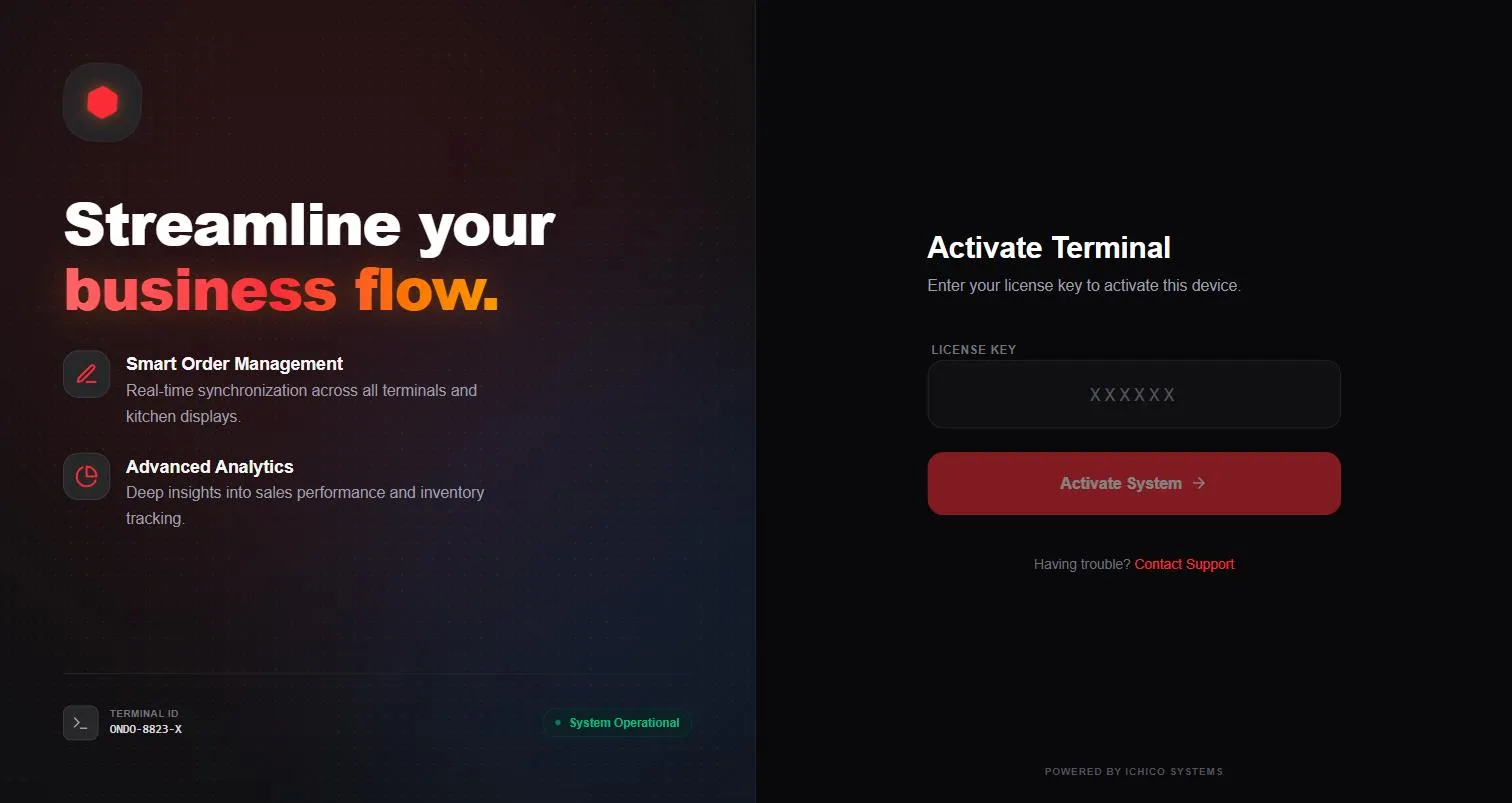
Terminals authenticate as devices, not users — a one-time activation code mints a device session bound to a branch, so no staff credentials ever live on the hardware.
- Serwist PWA
- ZXing
- Framer Motion
- PayMongo
QR Ordering
Diner-facing PWA
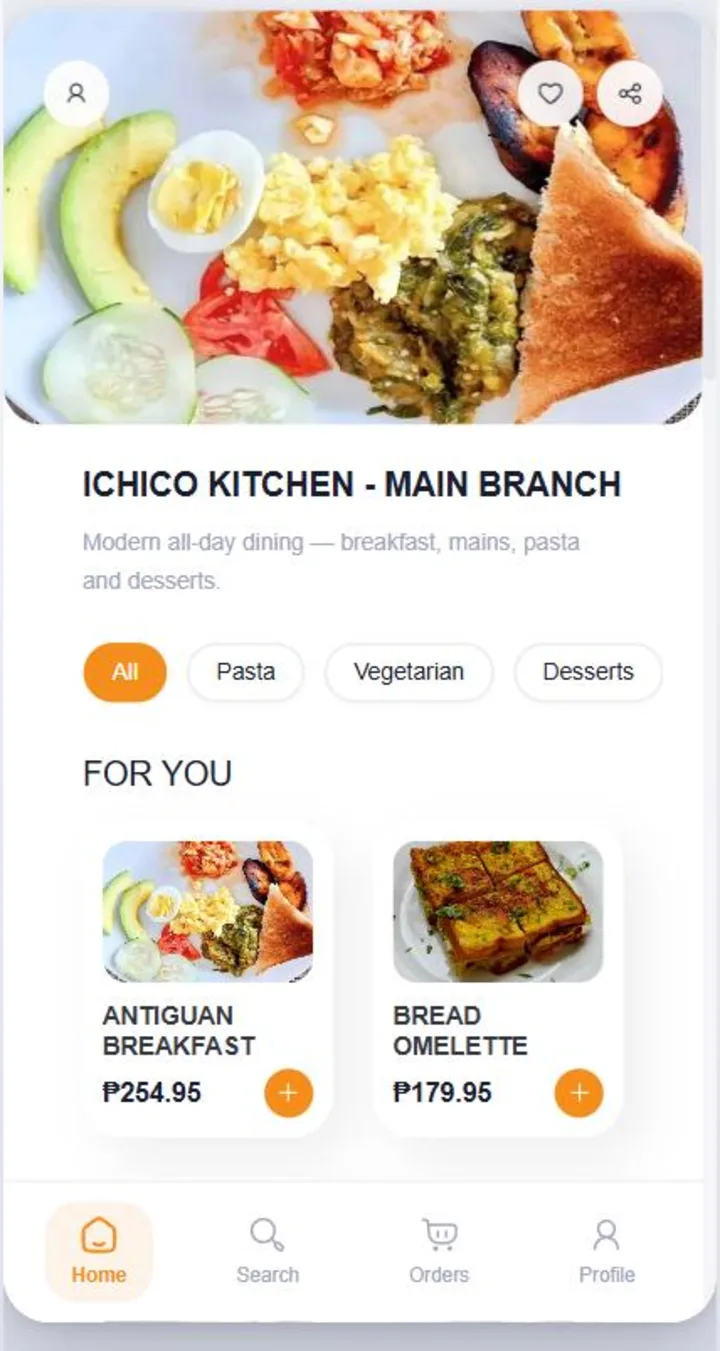
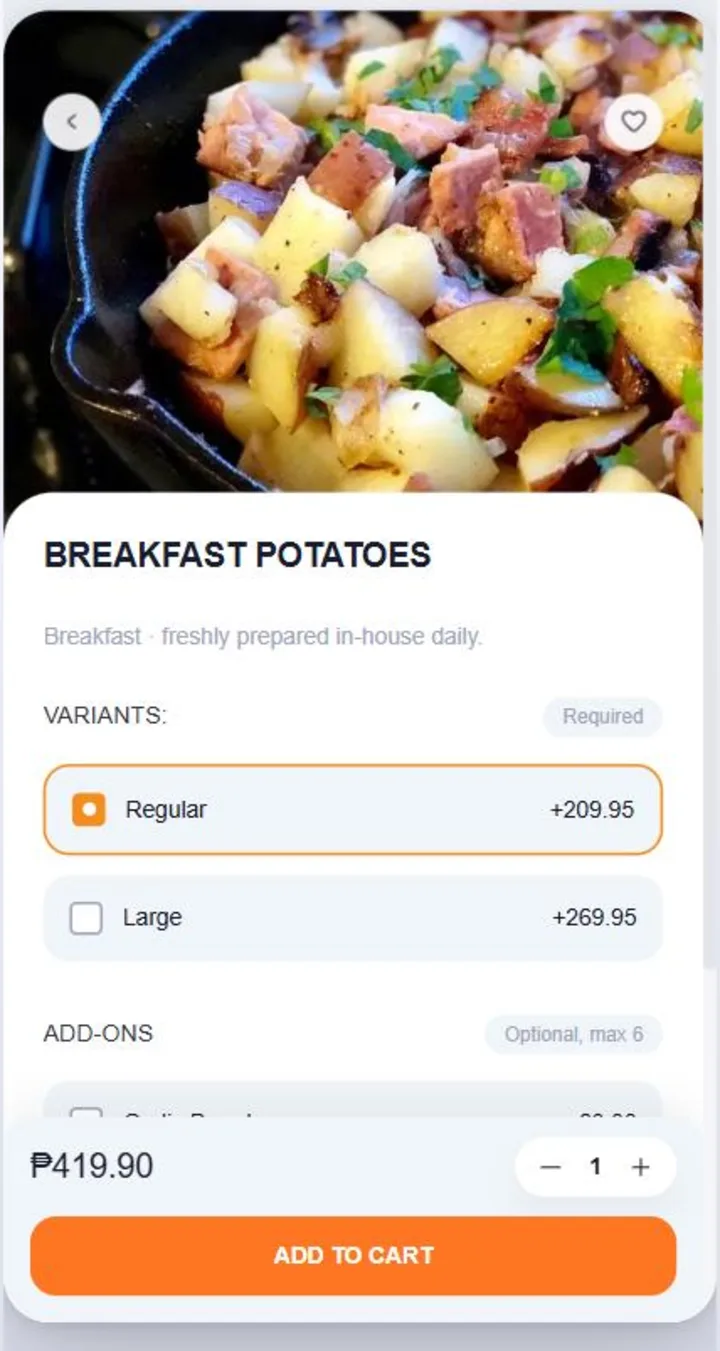
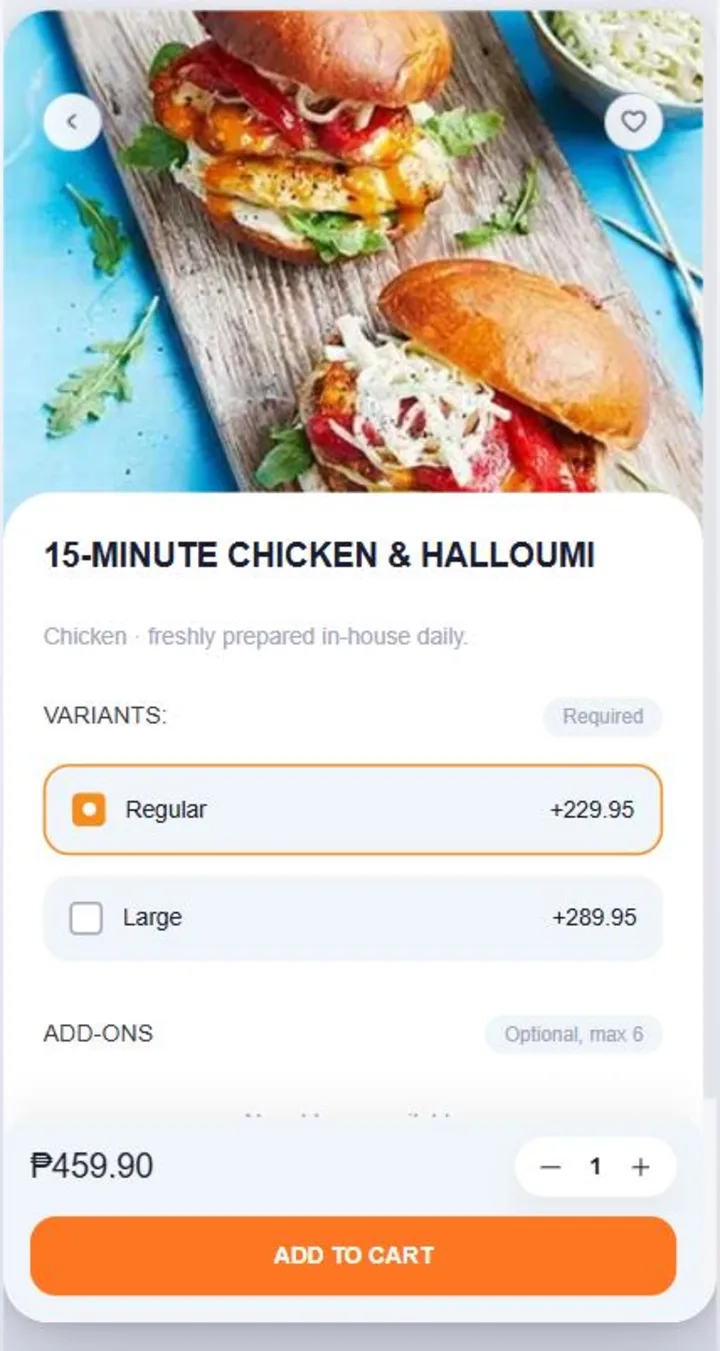
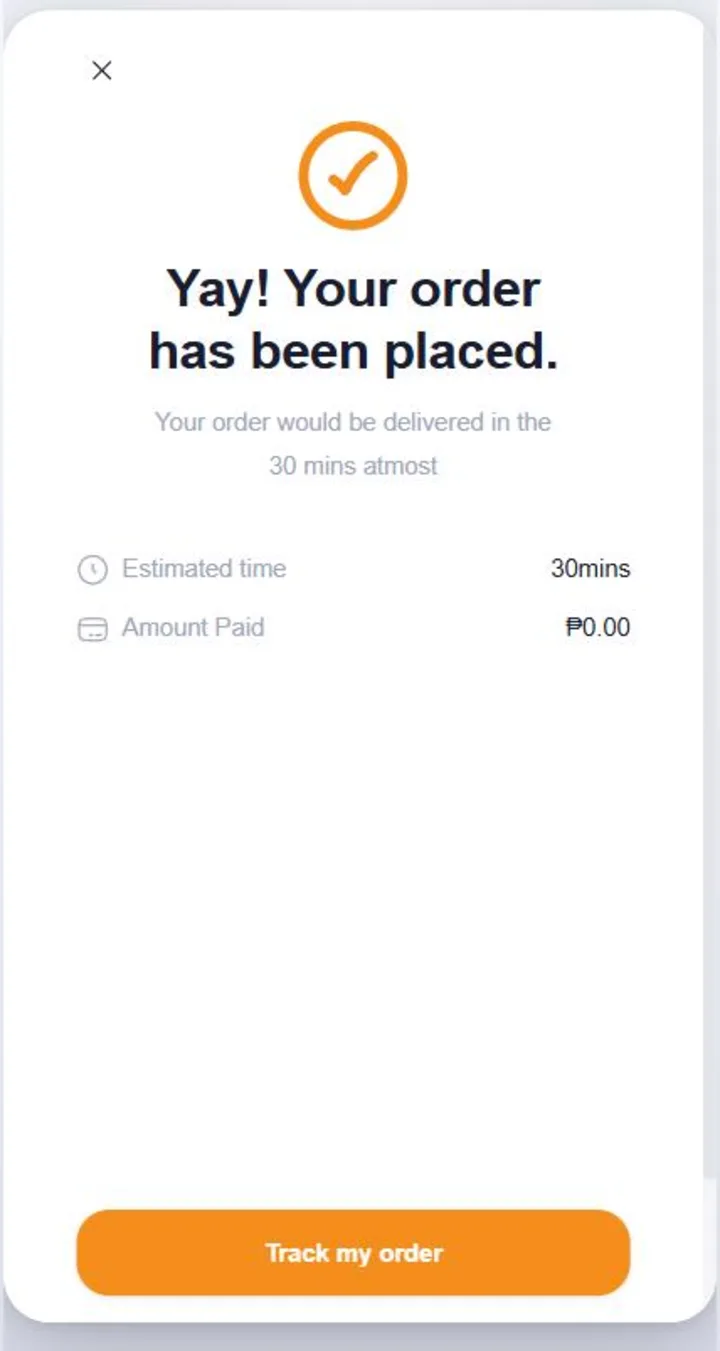
Mobile-first PWA a diner reaches by scanning the table QR code: branch menu, item detail with required variants and add-ons, a running total, and order confirmation with an ETA.
Installable and offline-tolerant through Serwist, with PayMongo wired for card and e-wallet payments alongside cash. Redis backs response caching, rate limiting and the Socket.IO adapter so the API scales horizontally.